
Marina Smirnova
Massage Therapist — relaxation, therapeutic & body-shaping massage
6+Years exp.
4.0Rating
3Services
About Marina
Hi everyone! 🙋♀️
My name is Marina, and I'm a certified massage therapist with 9+ years of experience. I help you release tension, recharge, and feel light in your body again. I'm professionally trained in classic and therapeutic massage and regularly expand my skills with courses in the latest techniques.
What I do:
💆♀️ Classic (Swedish) and relaxation full-body massage.
💆♀️ Back, neck & shoulder massage — tension relief for a desk/sedentary lifestyle.
💆♀️ Deep tissue massage and myofascial release.
💆♀️ Sports and recovery massage.
💆♀️ Lymphatic drainage and anti-cellulite massage.
💆♀️ Facial and lifting massage.
Spa programs:
🌿 Hot stone massage.
🌿 Aromatherapy massage with natural oils.
🌿 Cupping (vacuum) and honey massage.
⭐ I tailor the technique and pressure to how you feel and what you need — from deep therapeutic work to gentle relaxation. I work in a calm, comfortable setting using professional products and natural oils.
❤️ Message me for a free consultation — I'll put together a session that fits your goals and how your body feels.
Portfolio
Real work, real results
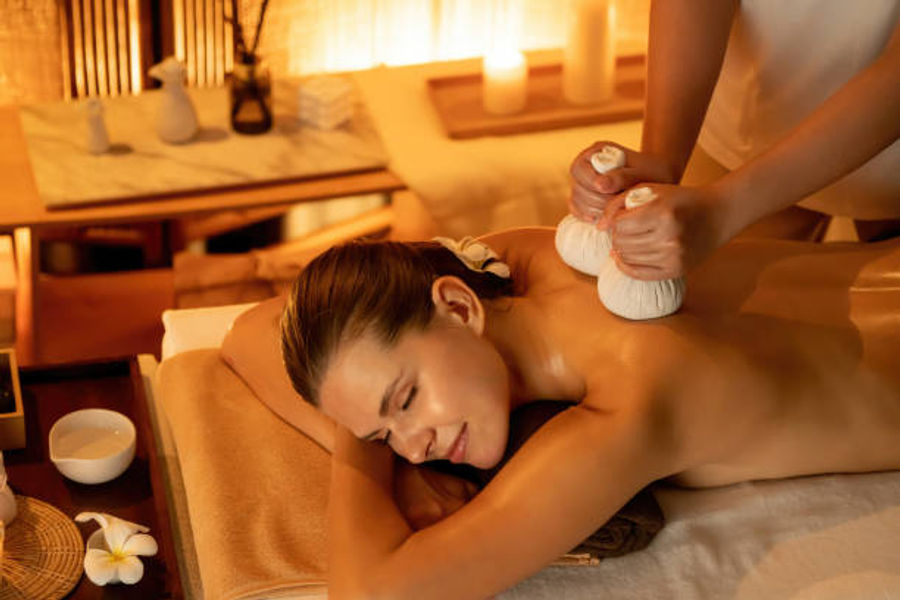 Sports massage
Pick a time few slots left
Loading available times…
Services & prices
Signature services
 Most booked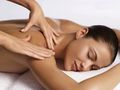
Classic massage
$125


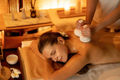
Relaxing spa massage
$175

Sports massage
$225
Add-ons by this master
Extras performed together with your service to enhance the result
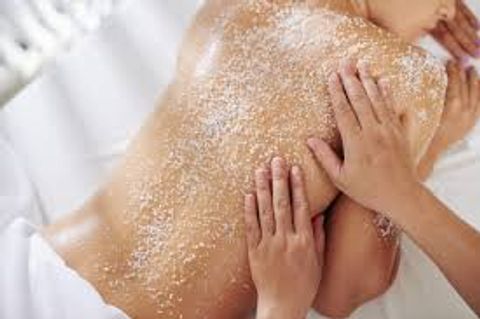
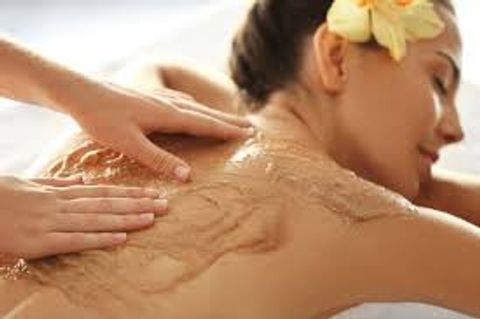
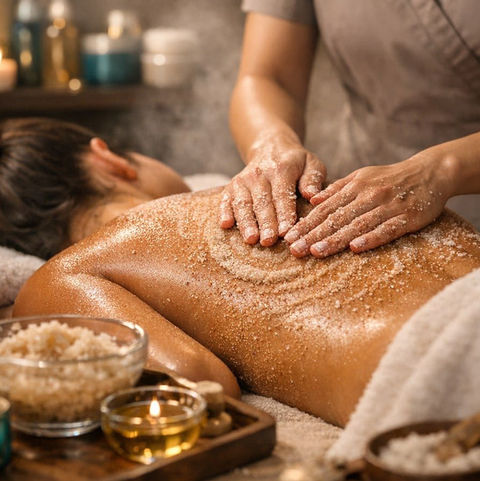
Body scrub
Your skin comes away smooth and renewed, and the massage feels deeper afterward, oils sink in better and the relaxation and glow go further.
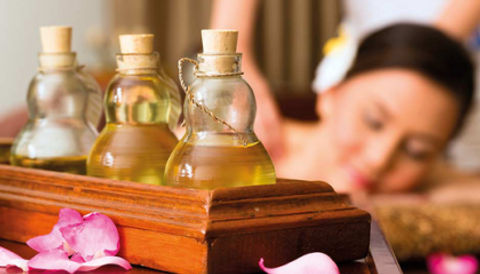
Aromatherapy oils (spa add-on)
The session turns from a mechanical rubdown into a spa ritual: the aroma deepens your calm, your nervous system settles faster, and the massage feels richer and lingers longer.
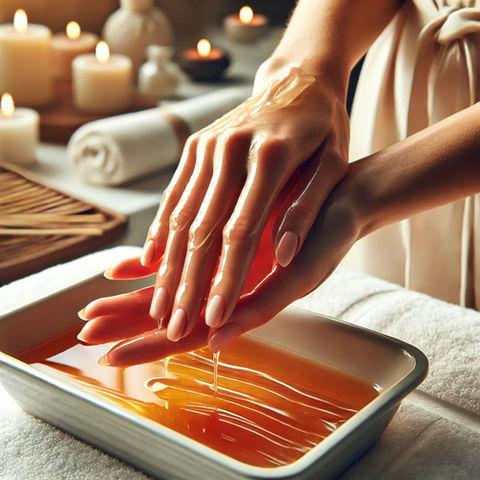
Paraffin hand treatment
The warmth of the paraffin deepens your overall relaxation, and your hands come away soft and hydrated, so the session feels like a complete spa ritual, not just bodywork.
Add-ons are chosen together with your main service — ask the master to include them.
Message Marina directly
Free consultation — ask anything before you book
What do you recommend?
How much will it cost?
Do you have a free slot?
Expertise
Training & certifications
Top credential
Wella Master Colorist
Aveda Institute
L'Oréal Professionnel Academy
Redken Certified Colorist
Reviews
What clients say
4.0
3 reviews
Booked a sports massage after some tough training weeks and it really hit the spot. My therapist clearly knew their stuff — deep, targeted work on my legs and lower back, and they checked in on pressure the whole time. Felt a real difference in my mobility the next day. Only reason it's four stars is I would've liked a bit more stretching at the end. Great work overall and I'll definitely be back!
MF
Maria F.
Sports massage
The relaxing spa massage was such a treat. Soft music, warm oils, and a gentle, soothing touch — I felt my stress melt away and could've stayed there for hours. My therapist created a really calming vibe from start to finish. Knocking off one star only because the front desk kept me waiting a bit before we got started. Otherwise a lovely, peaceful experience I'd happily repeat!
IT
Inna T.
Relaxing spa massage
Had a classic massage and it was really relaxing. My therapist had a great sense of pressure and worked out a lot of the tension in my shoulders and back — I left feeling much looser. Calm, quiet atmosphere too. I'd have given five stars, but the room was a little chilly and I wish the session had run the full time. Still a solid massage and I'd book again!
GP
Galina P.
Classic massage
Good to know
Questions & answers
Still have questions?
Ask Marina — usually replies within an hour
What is an aromatherapy oil add-on?
An aromatherapy add-on enhances your massage with scented essential oils chosen for their mood — calming lavender, uplifting citrus, or refreshing eucalyptus, for example. Blended into the massage oil, they deepen relaxation and make the session more of a sensory ritual. It's a simple upgrade layered onto a classic, relaxing, or spa massage.
What is a body scrub?
A body scrub is an exfoliating treatment that uses salt, sugar, or another gentle abrasive with oils to buff away dead skin cells, leaving skin smoother and softer. It's often done before a massage or wrap so the skin feels fresh and absorbs oils better. Expect a light glow and a clean, polished feel afterward.
What is a classic (Swedish) massage?
A classic, or Swedish, massage is a full-body treatment using long gliding strokes, kneading, and light-to-medium pressure to relax muscles and boost circulation. It's the most popular general-purpose massage — ideal when you want overall relaxation, better muscle tone, and stress relief rather than intense work on one problem area.
What is a relaxing spa massage?
A relaxing spa massage uses slow, flowing strokes and gentle pressure to calm the nervous system and melt away stress. Often paired with warm oils, soft music, and a soothing atmosphere, it's about deep relaxation rather than intense muscle work. It's the go-to choice when you want to unwind, reset, and feel pampered.
What is a sports massage?
A sports massage is a focused, firmer treatment designed for active people — it works the muscle groups you use most to support recovery, flexibility, and performance. Techniques include deep strokes, stretching, and targeted pressure on tight or overworked areas. It's used before events to prepare muscles and after training to speed recovery.
How much does an aromatherapy add-on cost?
As an add-on, aromatherapy oils cost far less than a standalone treatment — it's a small upgrade layered onto your massage. Exact pricing varies by salon, the oils used, and region. Check the service page or ask when booking to add it to your session.
How much does a body scrub cost?
Price varies by salon, the product used, and region, and a scrub is often booked as an add-on to a massage or spa ritual rather than on its own. Bundled with another treatment it usually costs less than two separate services. Check the service page for current pricing and options.
How much does a classic massage cost?
Price varies by session length, salon, and region, with 60- and 90-minute options being most common. A standard full-body classic massage usually sits in the mid-range of a menu — less than specialized work like sports or lymphatic drainage. Packages booked as a course often come at a lower per-session rate. See the service page for current pricing.
How much does a relaxing spa massage cost?
Price varies by length, salon, and region, with 60- and 90-minute sessions most common. Spa massages that include aromatherapy oils or extra ritual elements may cost a little more than a basic relaxation session. Courses or spa packages can lower the per-visit price. See the service page for current options and pricing.
How much does a sports massage cost?
Price varies by session length, salon, and region. As a specialized, more intensive treatment it often costs a bit more than a basic relaxation massage. Athletes who go regularly frequently book packages, which lower the per-session price. See the service page for current pricing and session lengths.
What does aromatherapy add to a massage?
It deepens relaxation and sets a mood through scent — calming blends help you unwind and de-stress, while brighter citrus or mint feels refreshing. The aroma engages your senses alongside the massage, making the whole session feel more immersive and soothing. Your therapist can help pick a scent to match how you want to feel.
How long does a body scrub take?
A full-body scrub usually takes 20 to 40 minutes on its own, plus time to rinse off. Added before a massage it lengthens the appointment a little but sets up smoother, more receptive skin. The exact time depends on how much of the body is treated.
How long does a classic massage take?
A full-body classic massage typically runs 60 to 90 minutes. Sixty minutes covers the whole body at a comfortable pace, while 90 minutes allows more time on the back, shoulders, and any areas that need extra attention. Shorter 30-minute sessions focus on a single zone. Arrive a few minutes early to settle in.
How long does a relaxing spa massage take?
Most relaxing spa massages last 60 to 90 minutes, and longer is genuinely better here — the unhurried pace is part of the effect. Sixty minutes covers the full body gently, while 90 minutes lets you sink fully into relaxation without watching the clock. Arrive early so you're not rushing into a calming session.
How long does a sports massage take?
Most sports massages run 30 to 90 minutes. A short, focused session targets one muscle group — useful around a workout or event — while 60 to 90 minutes covers the full body or several areas in depth. Pre-event sessions tend to be shorter and stimulating; recovery sessions are longer and more thorough.
Who should choose an aromatherapy add-on, and any cautions?
It suits anyone who wants a more relaxing, sensory massage and enjoys scent. Mention allergies, sensitive skin, asthma, or pregnancy first, since some essential oils aren't recommended in those cases and the therapist can choose a safe blend or skip it. If you're scent-sensitive, ask for a very light application.
What should you do after a body scrub?
Moisturize well — freshly exfoliated skin drinks up lotion or oil — and drink water. Skip the sauna, hot tubs, and direct sun for a day, since fresh skin is more sensitive, and use sunscreen if you'll be outside. Avoid harsh soaps for a day so the smooth, soft result lasts.
What should you do after a classic massage?
Drink water, take it easy for the rest of the day, and let your body enjoy the relaxed state. Skip intense exercise, alcohol, and heavy meals right after. A warm shower feels good and light stretching helps. Any mild next-day tenderness is normal and fades quickly — a sign your muscles were worked well.
What should you do after a relaxing spa massage?
Ease back into your day slowly — drink water, rest, and enjoy the calm rather than rushing off. Avoid alcohol and intense activity for a few hours so the relaxed feeling lasts. Many people sleep especially well that night. If oils were used, you can leave them on the skin a while before a warm shower.
What should you do after a sports massage?
Drink water and give worked muscles a little recovery time before your next hard session. Light movement and gentle stretching help, while a heavy workout right after is best avoided. Mild next-day soreness is normal after deep work and eases within a day or two. Time a recovery massage for a rest day when you can.
Anything to know after an aromatherapy massage?
Enjoy the lingering scent and relaxed state — many people leave the oils on the skin for a while before a warm shower. Drink water as you would after any massage. If a calming blend like lavender was used, it's a lovely choice before bed, since it can help you wind down for sleep.
Who is a body scrub good for, and how often should you do it?
A body scrub suits most people who want smoother skin, and once every one to two weeks is plenty — over-exfoliating can irritate the skin. It's a great prep before a self-tan or a wrap. Avoid it on sunburned, broken, or irritated skin, and if your skin is very sensitive, ask for a gentler formula.
Is a classic massage supposed to hurt?
No — a classic massage should feel relaxing, not painful. The pressure is light to medium and fully adjustable, so tell your therapist if you'd like it firmer or gentler. You might feel mild pressure on tight spots, but never sharp pain. If anything feels sharp or uncomfortable, say so and it's eased immediately.
Is a relaxing spa massage gentle, or does it hurt?
It's gentle by design — a relaxing spa massage should never hurt. The pressure stays light and soothing, focused on calm rather than working out deep knots. If you'd like slightly firmer touch in one area, just ask. For deep, tight muscle tension you'd choose a deep-tissue or classic massage instead.
Does a sports massage hurt?
Sports massage is firmer than most and can feel intense on tight or overworked muscles — a strong 'good ache' rather than sharp pain. Pressure is always adjustable, so tell your therapist your preferred level. Let them know about any injuries or strains up front, and speak up immediately for anything sharp, so the work stays effective and safe.
How often should you get a classic massage?
For general wellbeing and stress relief, once or twice a month keeps muscles relaxed and stops tension from building up. If you sit a lot or feel regular tightness, every two weeks helps. There's no need for a strict course with classic massage — it's a maintenance treatment you fit to your schedule and how your body feels.
Relaxing spa massage vs deep-tissue: which should I choose?
Choose a relaxing spa massage when your goal is stress relief, calm, and overall unwinding with gentle pressure. Choose deep-tissue when you need firm work on chronic knots, tight muscles, or a specific problem area — it's more intense and can leave you mildly sore. In short: relaxation and pampering versus targeted muscle release.
How often should you get a sports massage?
It depends on your training load. Active athletes often benefit from a session every one to two weeks, with lighter work around key events and deeper recovery sessions during heavier training blocks. If you train occasionally, once a month keeps muscles loose. Your therapist can suggest timing that fits your routine and goals.
What are the main types of massage?
Massage is hands-on work with muscles and soft tissue to ease tension, improve circulation, and help you relax. Common types include classic (Swedish) full-body, focused back and neck work, relaxing spa massage, sports massage, lymphatic drainage, and anti-cellulite. Your therapist matches the technique and pressure to your goal, whether that's simply unwinding or targeting a specific area.
How much does a massage cost?
Price varies by massage type, session length, and your region — longer or specialized sessions like deep-tissue, sports, or lymphatic drainage typically cost more than a short relaxation massage. Many therapists offer 60- and 90-minute options plus discounted packages when you book a course. Check the service page for current pricing and durations.
How often should you get a massage?
It depends on your goal. For general relaxation and stress relief, once or twice a month keeps muscles loose and calm. For a specific result — recovery, chronic tension, or an anti-cellulite plan — a weekly course of several sessions works better, followed by a maintenance visit every few weeks. Your therapist will suggest a rhythm after your first session.
What should you do before a massage?
Arrive a little early, avoid a heavy meal in the hour beforehand, and drink some water. Shower if you can, and skip strong lotions or perfume. Tell your therapist about any injuries, sensitive areas, pregnancy, or health conditions so they can adjust the pressure and technique. Comfortable clothing for afterward is a good idea.
What should you do after a massage, and why drink water?
Drink plenty of water afterward — it helps flush out what the massage stirred up and keeps muscles from feeling stiff. Rest rather than jumping into a hard workout, avoid alcohol, and take a warm shower if you like. Mild soreness the next day is normal, especially after deep or sports work, and usually eases within a day or two.
Do you have to undress for a massage, and what should you expect?
You undress to your comfort level and are always covered with a sheet or towel — only the area being worked on is uncovered at a time. For a full-body massage most people leave underwear on; for back, neck, or foot work you stay largely dressed. You change privately, and your therapist steps out while you settle onto the table.
Should a massage hurt?
A good massage shouldn't be painful. Relaxing and classic styles feel soothing, while deep-tissue or sports work can feel intense on tight spots — a 'good ache,' never sharp pain. Pressure is always adjustable, so tell your therapist if it's too much or too little. Speak up right away for anything sharp, burning, or numb.
One massage session vs a course — what's the difference?
A single session is great for relaxation, stress relief, or a one-off reset. A course of regular sessions is what delivers lasting change — releasing chronic tension, supporting recovery, or working through an anti-cellulite or lymphatic plan. Results from courses build session over session, which is why therapists often recommend a series for a specific goal rather than a single appointment.
Who should avoid a massage?
Massage suits most people, but skip a session if you have a fever, an acute infection, a fresh injury, blood clots, or an open skin issue in the area. Certain conditions — pregnancy, recent surgery, heart or vascular problems, or varicose veins — call for a specialized approach, so mention them when booking. When in doubt, check with your doctor first.
How do I book an appointment online?
Most beauty professionals accept online bookings 24/7 — pick a service, choose an open time slot, and confirm in a few taps. You'll see live availability, the price, and how long the appointment takes before you commit. A confirmation and reminders are sent automatically, and you can reschedule from the same link if your plans change.
What is a deposit and where does it go?
A deposit is a small prepayment that secures your slot, and it's applied straight to your final bill — it isn't an extra charge. Deposits protect the professional's time against no-shows and last-minute cancellations, especially for new guests or long appointments. If you cancel within the allowed window, most deposits are refundable or transferable to a rescheduled visit.
What is the cancellation and rescheduling policy?
Most salons ask you to cancel or reschedule at least 24–48 hours ahead so the freed time can be offered to someone else. Within that window you can usually move your appointment without penalty; later cancellations or no-shows may forfeit the deposit or incur a fee. Exact terms vary by professional and are shown when you book.
What happens if I'm late to my appointment?
If you're running late, message your professional as soon as you can — a short delay is usually fine. Because each slot is timed, a longer delay may mean a shortened service or, occasionally, rescheduling so the next guest isn't affected. Policies vary, but arriving on time lets you get the full, unrushed result you booked.
Is a consultation included, and do I need one before booking?
For many services a short consultation is built into your first appointment, where the professional reviews your goals, hair or skin condition, and what's realistic in one visit. For big transformations — like going much lighter or a first color correction — a separate consultation beforehand helps plan steps, timing, and budget. You can also message questions before booking.
What should I expect at my first visit?
Expect to arrive a few minutes early, confirm your details, and start with a quick consultation about your goals. The professional explains the plan, timing, and price before beginning, so there are no surprises. Afterward you'll get aftercare tips and, if you like, help booking your next visit. Bring reference photos and clean, product-free hair or skin when relevant.
What payment methods are accepted?
Most professionals accept major credit and debit cards, and many also take contactless and digital wallets; some accept cash. You can often prepay or leave a card on file when booking, which keeps checkout quick. Gift cards and tips are usually supported too. Accepted methods are shown at booking, so you'll know before you arrive.
How are tools and the space kept clean and safe?
Reputable professionals disinfect tools between every client, use single-use items where needed, and sanitize stations and surfaces throughout the day. Reusable implements are cleaned and, for services that break the skin, sterilized to industry standards. Fresh towels and clean hands or gloves are standard. If you have allergies or sensitivities, tell your professional so products and a patch test can be adjusted.
How do I choose the right stylist or professional?
Start with the portfolio — look for recent work on hair, skin, or nails similar to yours, since real before-and-after photos show a professional's actual range. Then read verified reviews and the overall rating for consistency, cleanliness, and communication. Check that they list the specific service you want. When in doubt, message a question first to gauge fit.
Where do the reviews come from — are they real?
Reviews come from real clients who booked and completed an appointment, so they reflect genuine experiences rather than anonymous opinions. Ratings typically cover the result, cleanliness, timeliness, and communication. Because each review is tied to a verified visit, you get an honest picture of what to expect. Reading several recent ones gives the most reliable sense of a professional's work.
Can I buy a gift card or gift certificate?
Yes — gift cards are a popular way to give beauty services, and they're usually available to buy online in set amounts or for a specific service. The recipient redeems the value toward any eligible appointment, and any remaining balance stays on the card. Gift cards typically don't expire quickly, but check the terms shown at purchase for details.
Can I come without an appointment (walk-in)?
Some professionals accept walk-ins when they have an opening, but most beauty services run by appointment so the time and materials are reserved for you. Booking ahead guarantees your slot, your preferred professional, and the right time block for your service. If you're hoping to walk in, message first to check same-day availability rather than travel and risk a wait.
Should I arrive early for my appointment?
Arriving about 5–10 minutes early is ideal — it gives you time to check in, use the restroom, and settle before your appointment starts on schedule. For a first visit, a few extra minutes helps with any brief forms or consultation. Arriving much earlier usually isn't necessary, and coming late can shorten your service, so aim for just ahead of time.
Can I message the professional before booking?
Yes — you can usually message a professional before booking to ask about a service, share reference photos, or check whether an idea suits your hair or skin. This helps you confirm the right service and time block, and sometimes avoids needing a separate consultation. Sending a clear photo and your goals up front gets you the most useful answer.
Show all 51


